Arts integration
At Page, the arts are how the academics are taught, so students learn each subject directly and then put it to work by building, writing, designing, and performing.
Students learn each subject directly & then apply it by building, writing, designing, and performing what they've studied.
Learn it & make it
Arts integration doesn't mean students spend the day doing art instead of academics.
Page students get direct instruction in reading, writing, math, science, and history at every grade. What changes is what happens next, because students apply what they've learned by building, writing, designing, and performing, alongside the tests and writing assignments every school uses.
When a student has to turn a history unit into a scene with original dialogue, the research has to be real, and when they have to build a working model, the science has to hold up.
What it looks like in class
A handful of practices hold the method together, and you'll see them at every grade level.
Performing what they study
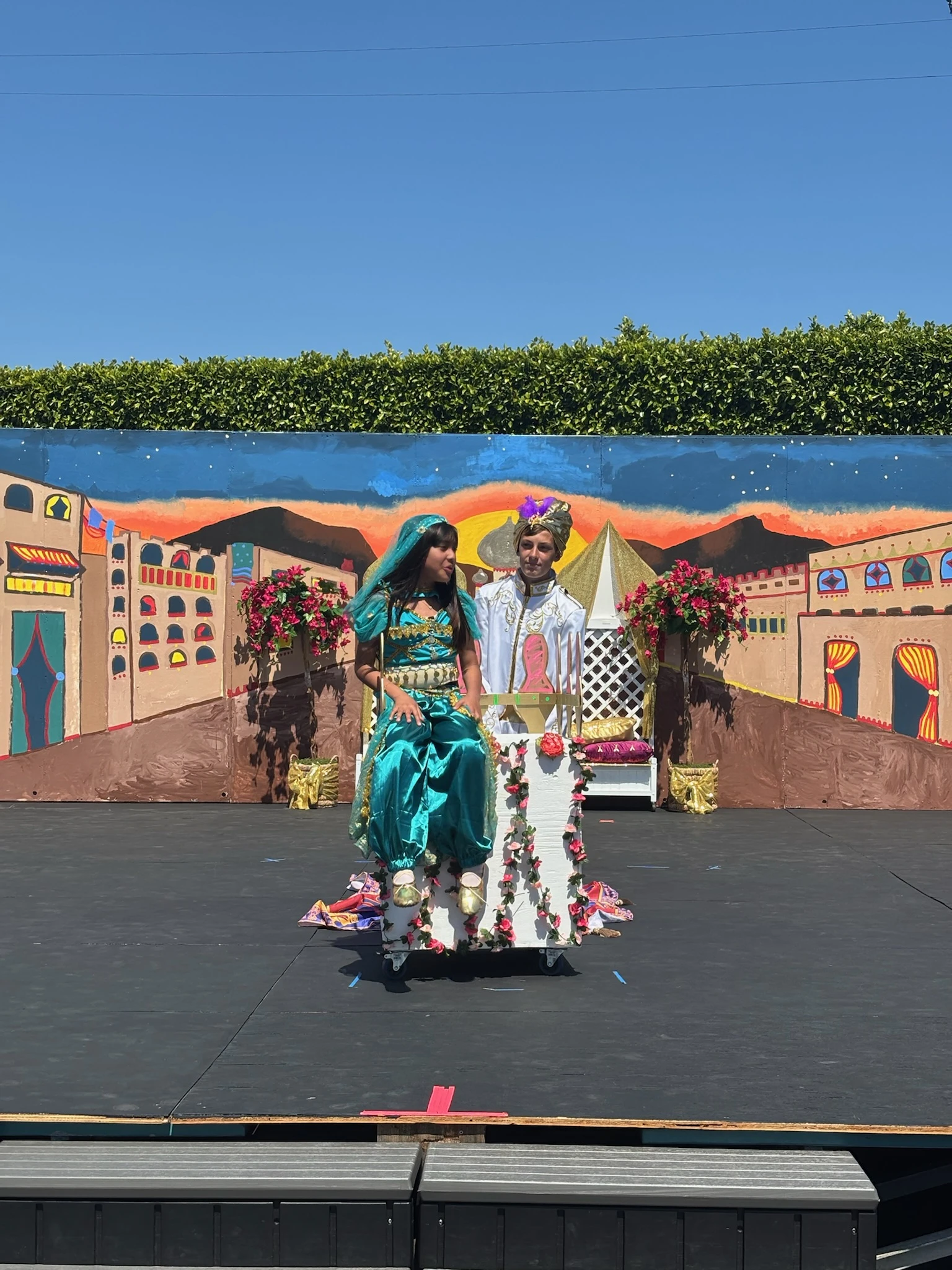
Historical figures, scientific processes, and original arguments get delivered out loud, in front of an audience, so public speaking becomes something students practice for years.
Building what they study
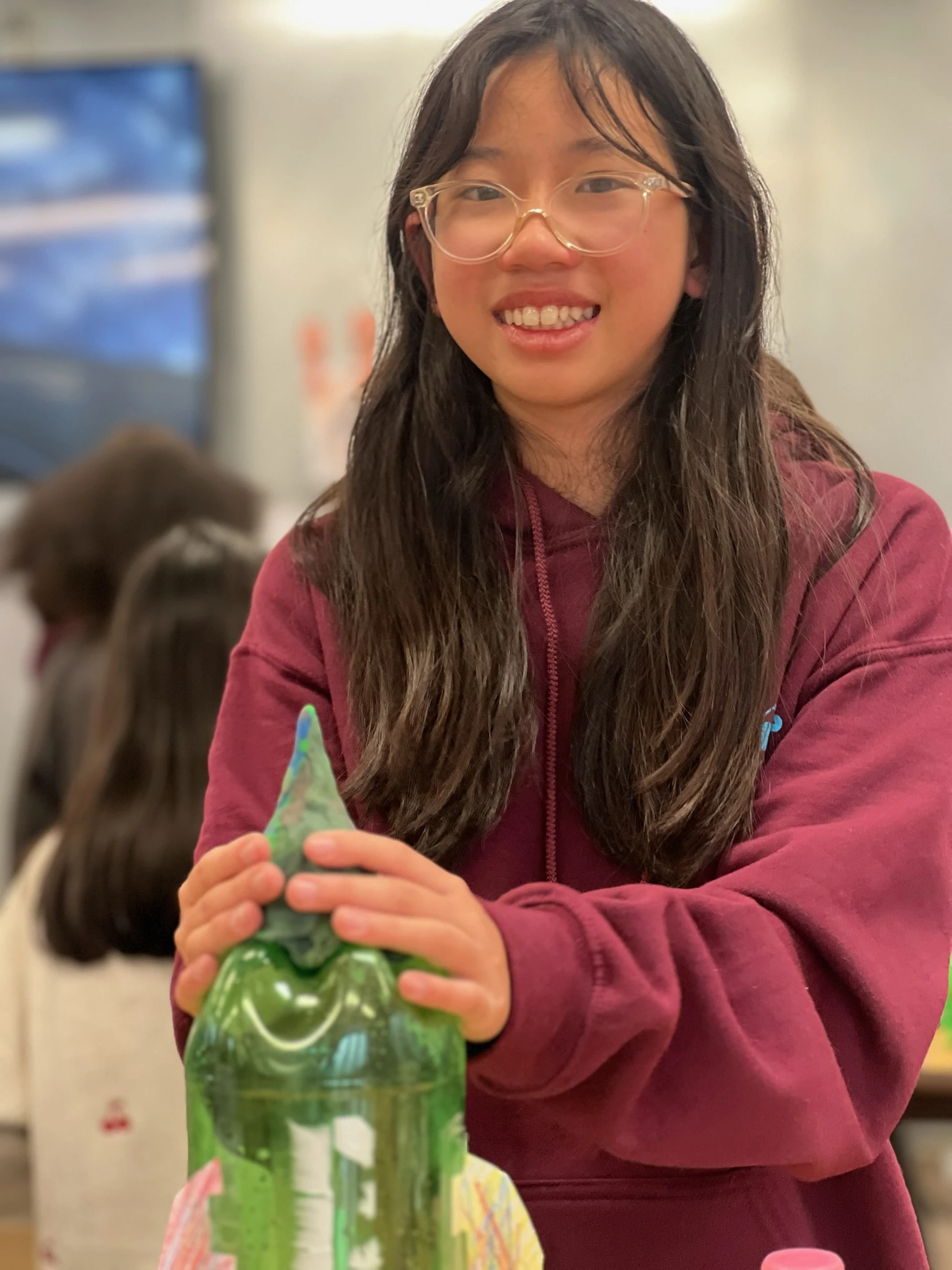
Students build something with their hands as part of understanding a unit, from scale models and set pieces to costumes and prototypes.
Writing as a creative practice
Students write monologues, short fiction, scripts, and essays, a wider range of forms than most schools ask for.
Presenting to an audience
Major projects end with something an audience sees, whether that's a performance, an exhibition, or a presentation.
The fundamentals, taught directly
Reading, writing, and math are taught explicitly in real classes, and the creative application comes after.
Math becomes design
Geometry, scale, ratio, and measurement are taught directly, and then students use them to draft set pieces, design models, and plan working prototypes.
Study, apply, refine & share
Units move through the same four stages, scaled to each grade level.
Students study the content directly, apply it through artistic practice, refine it through critique and revision, and then show what they know in the form the unit calls for, whether that's a test, a paper, a build, or a performance.
Small class sizes make this possible, because teachers have the time to know where each student is strong and where they need another pass.
Where you'll see it
Arts integration runs through the programs Page families already know.
Arts integration questions & answers
What does arts-integrated mean?
Do students still get direct instruction in reading and math?
Is Page a performing arts school?
Does my child need experience in the arts?
Which grades are arts-integrated?
Two campuses & one Page family
Costa Mesa
Infant through 8th grade
657 Victoria St
Costa Mesa, CA 92627
(949) 642-0411
Hancock Park
Age 2 through 8th grade
565 N Larchmont Blvd
Los Angeles, CA 90004
(323) 463-5118